DBA Hub

📋Steps in this guide1/1

Multi-Column List Partitioning in Oracle Database 12c Release 2 (12.2)

Oracle Database 12c Release 2 (12.2) introduced the ability to define a list partitioned table based on multiple columns.

oracle 12cconfigurationintermediate
by OracleDba
15 views
1

Multi-Column List Partitioning and Automatic List Partitioning

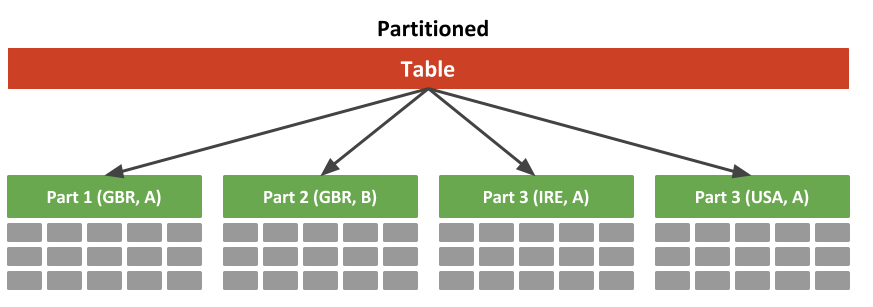
Oracle Database 12c Release 2 (12.2) introduced the ability to define a list partitioned table based on multiple columns. Creating a multi-column list partitioned table is similar to creating a regular list partitioned table, except the clause includes a comma separated list of columns. Each partition is associated with valid combinations of those columns, along with an optional single default partition to catch any unspecified combinations. - Multi-Column List Partitioning - Multi-Column List Partitioning and Automatic List Partitioning Related articles. The example below creates a list-partitioned table based on and . The following insert statements include one of each combination that matches the allowable combinations for the main partitions, as well as four that that don't match and will be stored in the default partition. Displaying the number of rows in each partition shows the partitioning scheme worked as expected. You can use automatic list partitioning in combination with multi-column list partitioning provided you don't specify a default partition. If you try to use both you will receive the following error. The following example defines a multi-column list partitioned table that uses automatic list partitioning. Notice the default partition has not been defined. Repeat the inserts from the previous example. Displaying the number of rows in each partition shows the partitioning scheme worked as expected, with a new partition defined for every combination that was not defined in the original table definition. For more information see: Hope this helps. Regards Tim...
Step 1

Comments (0)

Please to add comments

No comments yet. Be the first to comment!